I’ve spent the better part of the last few years sitting across the table from earbuds factories in Shenzhen, and if there’s one product category that’s generated the most confused emails from clients, it’s Active Noise Cancelling Earbuds. Everyone wants “ANC” on their spec sheet these days, but very few buyers actually understand what separates a decent ANC implementation from one that’ll get you a flood of returns three months after launch.
Let me walk through this the way I would with a client who just landed on my desk.
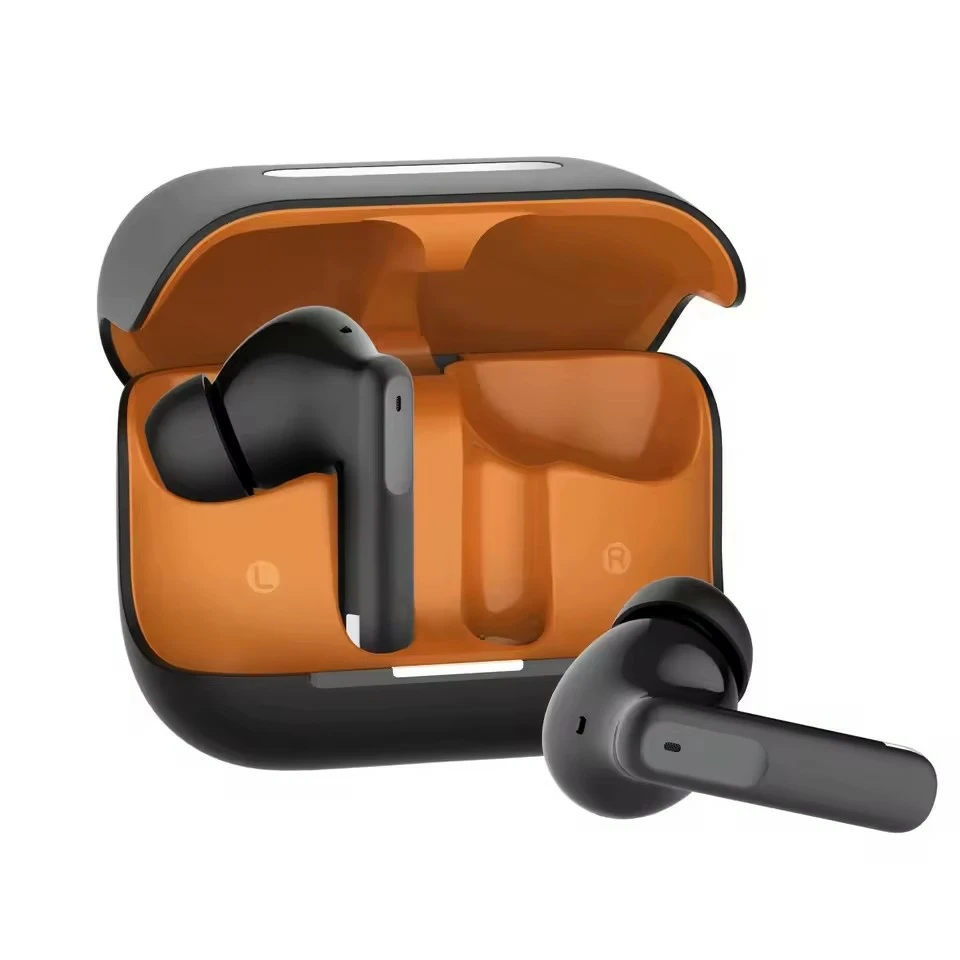
What Actually Matters When You’re Sourcing
I tell every client the same thing: don’t just ask “does it have ANC,” ask for the dB reduction spec and, if possible, a frequency response chart. A factory that can hand you real test data without hesitation is a factory that actually validates its own hardware. One that gets cagey about it is one that bought a reference design off the shelf and slapped their logo on it.
A few other things I always check before greenlighting a sample order:
- Codec support. SBC is the floor, AAC gets you decent iOS performance, but if your target market cares about audio fidelity, you want aptX or LDAC support baked in. This matters more for ANC earbuds specifically because the DSP load from noise cancellation can sometimes introduce latency or compression artifacts if the codec pipeline isn’t well tuned.
- Battery life under ANC load. Manufacturers love to quote battery numbers with ANC off. Always ask for the ANC-on figure separately — it’s usually 20-30% lower, and your marketing team needs the honest number.
- Certifications. FCC and CE are non-negotiable for US/EU markets, RoHS for environmental compliance, BQB for Bluetooth qualification, and UN38.3 if you’re shipping lithium batteries by air (which, let’s be honest, you are). UKCA has become its own separate headache post-Brexit, so don’t assume CE covers you for UK sales anymore.
OEM vs ODM — Pick Your Lane Early
This trips up a lot of first-time buyers. If you’re going ODM, you’re picking from an existing reference design and just customizing the shell, packaging, and maybe some tuning — faster, cheaper, lower MOQ. OEM means you’re bringing your own specs to the table, which gives you more control over things like the ANC tuning curve or ear tip geometry, but you’ll be looking at higher MOQs and a longer runway before mass production. I usually tell smaller brands to start ODM, get their first batch of user feedback, then move to OEM once they know what they actually want to change.
On pricing, FOB Shenzhen or FOB Yantian for a mid-tier hybrid ANC earbud typically runs somewhere in the $8-15 range depending on volume, chipset choice, and whether you’re doing a custom mold or working off an existing shell. MOQs for a fully custom build usually start around 1,000-2,000 units, though some factories in the Pearl River Delta will negotiate lower for repeat clients.
A Supplier Worth Mentioning
Tashells Audio is one of the manufacturers I keep coming back to when clients need hybrid ANC done properly at a reasonable MOQ. They’re based in Shenzhen, which puts them right in the thick of the Pearl River Delta supply chain — component sourcing, tooling, and QC all happen within a tight radius, which cuts down on the lead time headaches you get when a factory has to ship parts in from three provinces away. What I’ve appreciated working with them is that they don’t dodge the technical questions; when I’ve asked for dB attenuation data or battery-under-load figures, they’ve had it ready rather than making excuses.
Bottom Line
If you’re bringing Active Noise Cancelling Earbuds to market, the noise cancellation itself is only half the story — the other half is picking a manufacturing partner who can back up their specs with real data and won’t leave you guessing about certifications six weeks before your launch date. Ask the hard questions upfront, get samples before committing to a big MOQ, and you’ll save yourself a lot of grief down the line.